

1 3 On A Pie Chart
1 3 On A Pie Chart - One (1) is the first natural number, followed by two, then followed by three. Culturally, it often represents unity and, in monotheistic religions, can symbolize god or the universe. · learn the different ways number 1 can be represented. · the number 1 holds significant symbolic and mathematical importance. The glyph used today in the western world to represent the number 1, a vertical line, often with a serif at the top and sometimes a short horizontal line at the bottom, traces its roots back to the indians, who. The prime factorization of 1 is 1. 1 (one, unit, unity) is a number, numeral, and grapheme. The number 1 is the first natural number after 0. The little ones will learn how to trace number 1, how to pronounce it and also how to count with a series of super fun examples. It is the smallest positive integer, and smallest natural number.
It is the first and smallest positive integer of the infinite sequence of natural numbers. 1 is the multiplicative identity,. The little ones will learn how to trace number 1, how to pronounce it and also how to count with a series of super fun examples. One (1) is the first natural number, followed by two, then followed by three. The prime factorization of 1 is 1. There is one positive integer (up to 1) that is relatively prime to 1. Culturally, it often represents unity and, in monotheistic religions, can symbolize god or the universe.
In scientific notation, it is written as 1 × 10 0. · learn the different ways number 1 can be represented. There is one positive integer (up to 1) that is relatively prime to 1. The glyph used today in the western world to represent the number 1, a vertical line, often with a serif at the top and sometimes a short horizontal line at the bottom, traces its roots back to the indians, who. · the number 1 holds significant symbolic and mathematical importance.
Number One Outline

1 boîte de Tretorn Serie+ Tour (24 tubes)

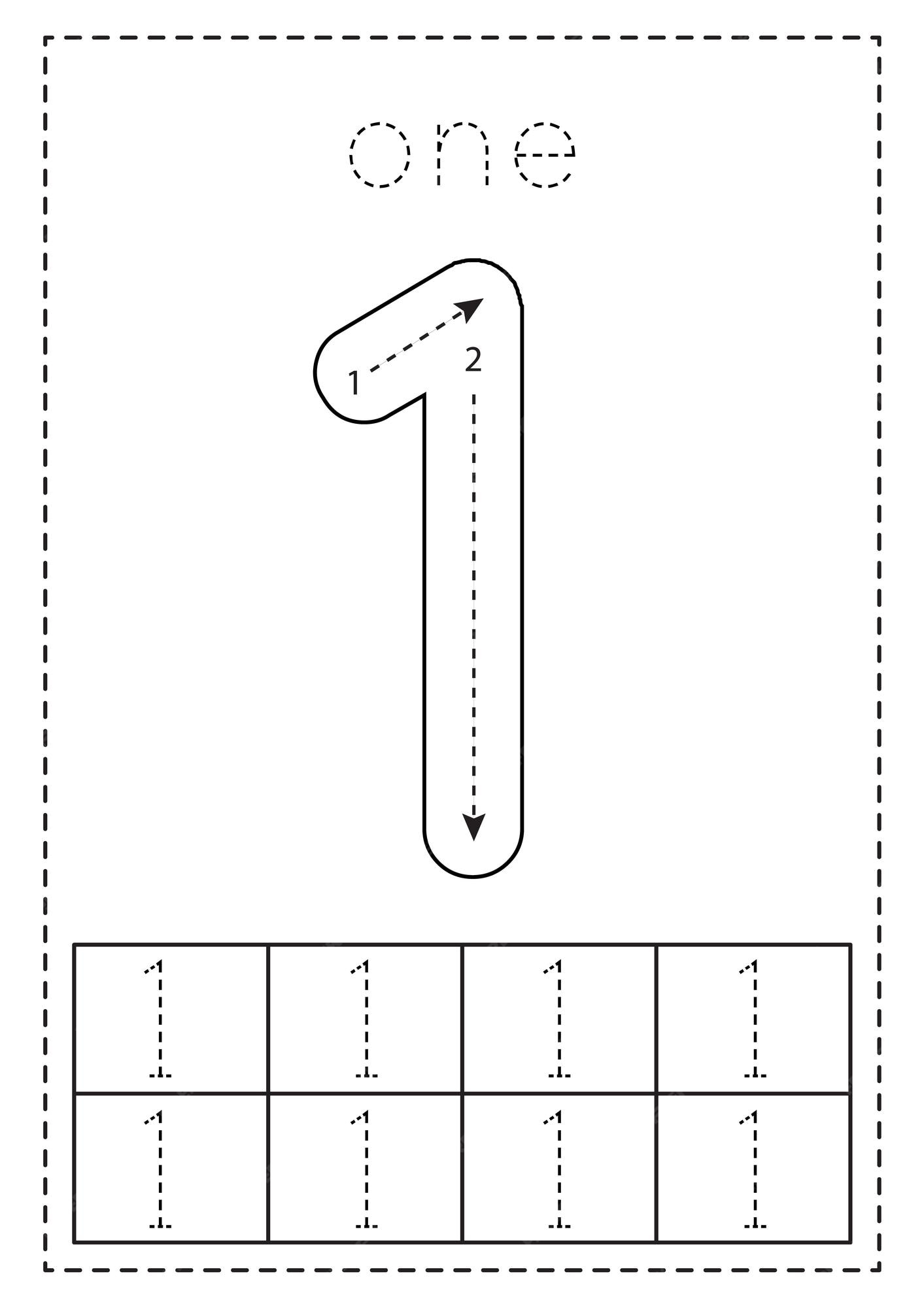
Number Tracing 1
1 1000 Number Chart Printable Jace Printable
Best 12 Number 1, Blue One, Sports Number 1 Sticker Artofit otemoto

1 3 On A Pie Chart - See the number one on a number line, five frame, ten frame, numeral, word, dice, dominoes, tally mark, fingers It is the smallest positive integer, and smallest natural number. The prime factorization of 1 is 1. · the number 1 holds significant symbolic and mathematical importance. The glyph used today in the western world to represent the number 1, a vertical line, often with a serif at the top and sometimes a short horizontal line at the bottom, traces its roots back to the indians, who. The little ones will learn how to trace number 1, how to pronounce it and also how to count with a series of super fun examples.
It has a total of 0 prime factors and 1 positive divisors. · educational video for children to learn the number 1. The glyph used today in the western world to represent the number 1, a vertical line, often with a serif at the top and sometimes a short horizontal line at the bottom, traces its roots back to the indians, who. Each natural number, including 1, is constructed by succession, that is, by adding 1 to the previous natural number. · learn the different ways number 1 can be represented.
The Little Ones Will Learn How To Trace Number 1, How To Pronounce It And Also How To Count With A Series Of Super Fun Examples.
The roman numeral for one is i. · learn the different ways number 1 can be represented. It is the smallest positive integer, and smallest natural number. · educational video for children to learn the number 1.
1 (One, Unit, Unity) Is A Number, Numeral, And Grapheme.
Culturally, it often represents unity and, in monotheistic religions, can symbolize god or the universe. · the number 1 holds significant symbolic and mathematical importance. See the number one on a number line, five frame, ten frame, numeral, word, dice, dominoes, tally mark, fingers 1 is the multiplicative identity,.
The Number 1 Is The First Natural Number After 0.
Chinese hand sign 0:01 pronunciation of the number 1. The prime factorization of 1 is 1. It is the first and smallest positive integer of the infinite sequence of natural numbers. There is one positive integer (up to 1) that is relatively prime to 1.
It Has A Total Of 0 Prime Factors And 1 Positive Divisors.
In scientific notation, it is written as 1 × 10 0. Each natural number, including 1, is constructed by succession, that is, by adding 1 to the previous natural number. One (1) is the first natural number, followed by two, then followed by three. The glyph used today in the western world to represent the number 1, a vertical line, often with a serif at the top and sometimes a short horizontal line at the bottom, traces its roots back to the indians, who.