

Glucose Levels In Urine Chart
Glucose Levels In Urine Chart - Values between 50 and 70 mg/dl (2.8 to 3.9 mmol/l) for people without diabetes can be. Plus, find out why a person should keep their blood glucose levels within a healthy range. It is made from water and carbon dioxide during photosynthesis. It is the most abundant monosaccharide, [4] a subcategory of carbohydrates. · hyperglycemia (high blood sugar) is an early warning sign of diabetes. · glucose, or blood sugar, is key to keeping the body in top shape. It is found in fruits. “sweet”) has the molecular formula c 6 h 12 o 6. It is produced in humans via hepatic gluconeogenesis and breakdown of polymeric. · your body processes the food you eat into glucose.
It causes symptoms like excessive thirst and hunger, increased urination, and fatigue. Glucose is a simple sugar (monosaccharide) generated during phosynthesis involving water, carbon and sunlight in plants. It is made from water and carbon dioxide during photosynthesis. · your body processes the food you eat into glucose. “sweet”) has the molecular formula c 6 h 12 o 6. · hyperglycemia (high blood sugar) is an early warning sign of diabetes. Glucose is a sugar with the molecular formula c 6 h 12 o 6.
Glucose is a simple sugar (monosaccharide) generated during phosynthesis involving water, carbon and sunlight in plants. Your blood carries glucose (blood sugar) to all of your body's cells to use for energy. · check the normal blood sugar levels chart by age for kids, adults, and seniors. · your body processes the food you eat into glucose. It causes symptoms like excessive thirst and hunger, increased urination, and fatigue.
Glucose Hand Drawn Vector Formula Chemical Structure Lettering Blue

Glucose Structure RoyaltyFree Stock Photo 84219105
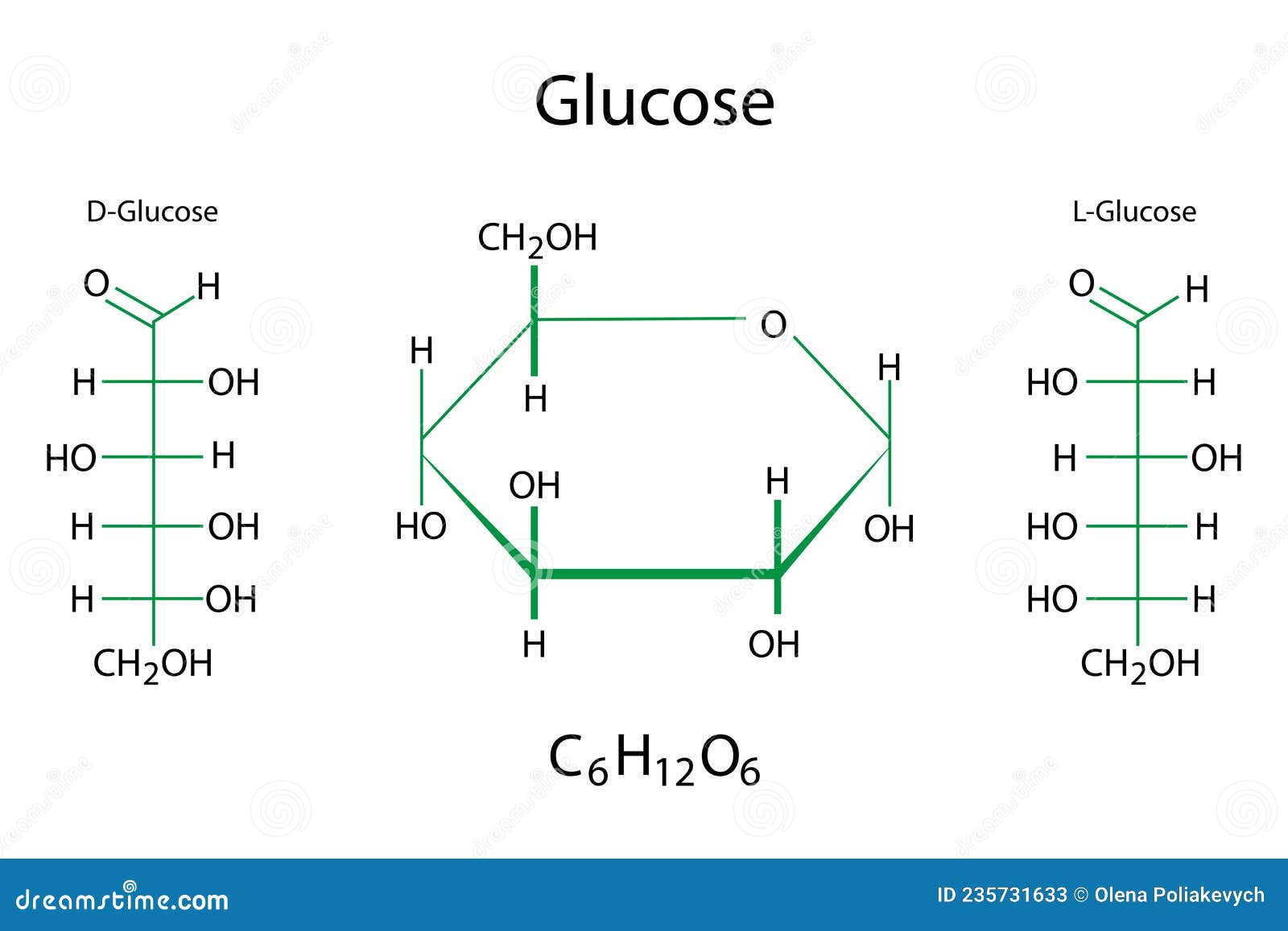
Glucose Structure Diagrams, Examples, Physical Properties
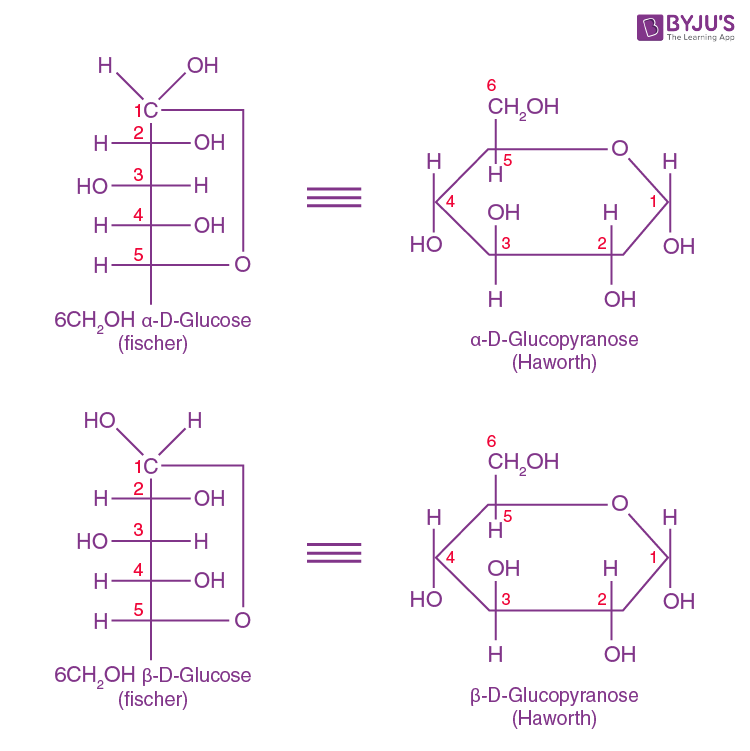
Beta Glucose Chain
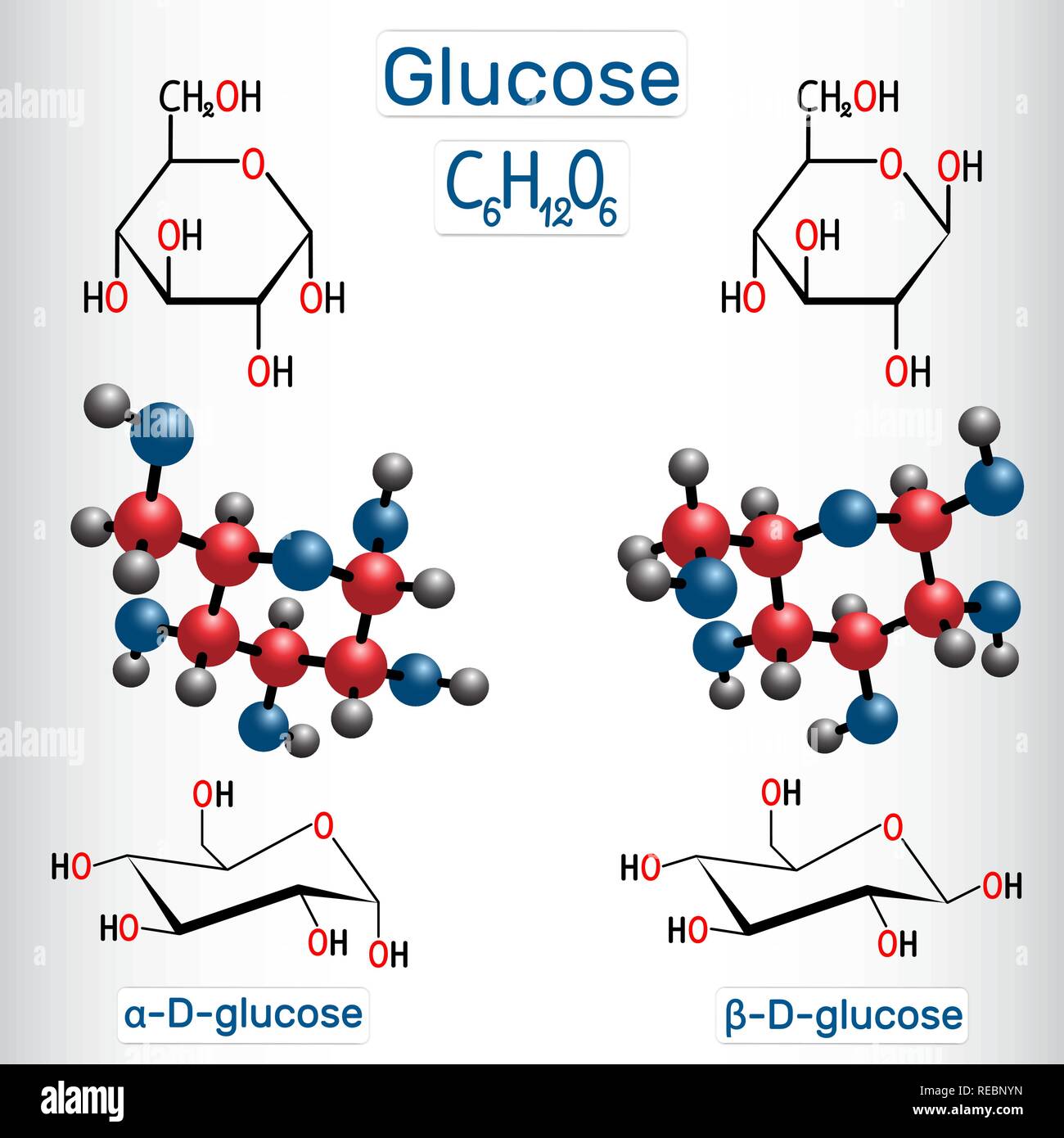
Molecular or Chemical Structure of Glucose C6H12O6 Stock Illustration
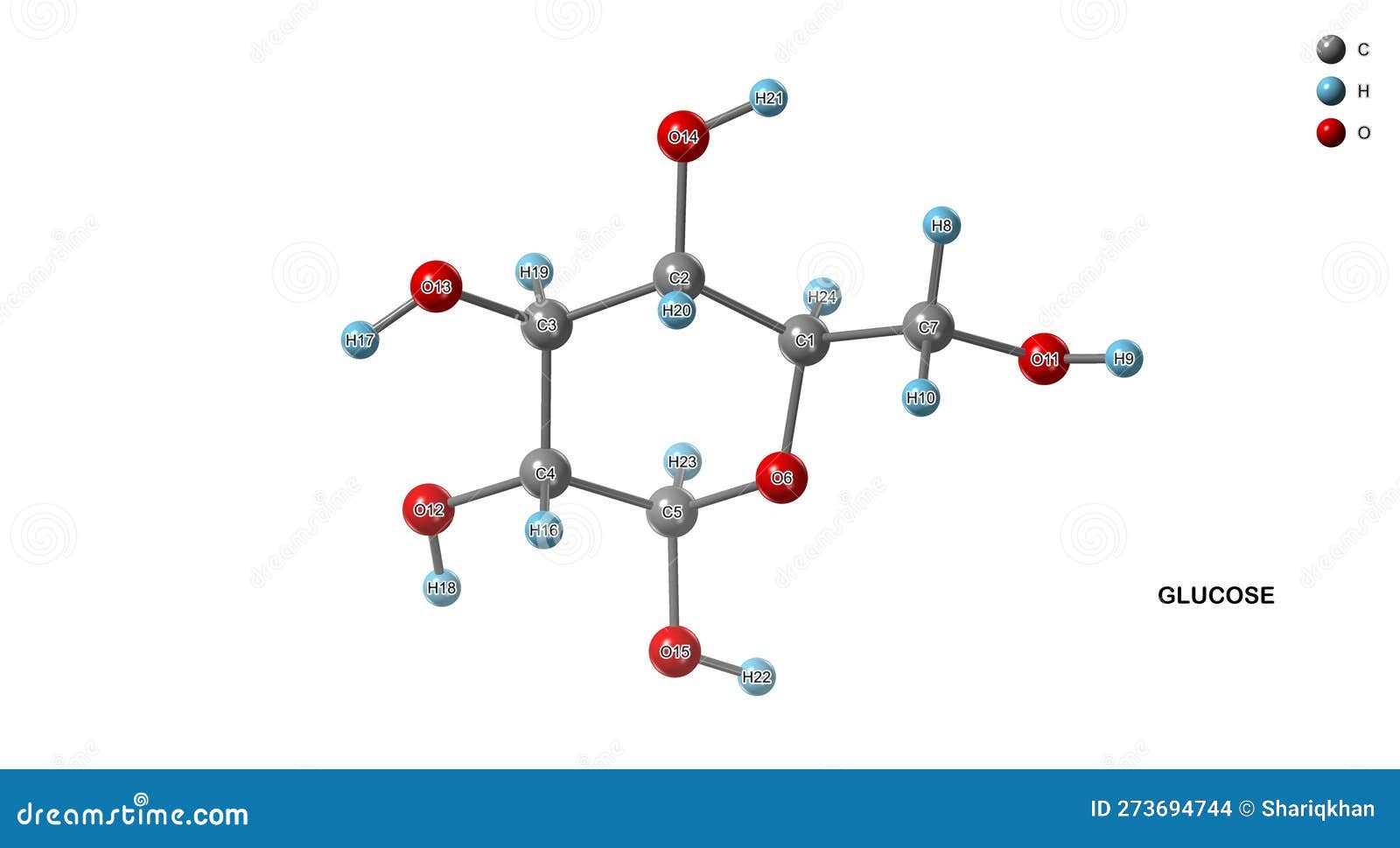
Glucose Levels In Urine Chart - It causes symptoms like excessive thirst and hunger, increased urination, and fatigue. · learn about glucose blood tests and how and why to do them. · a healthy blood glucose level for someone without diabetes is 70 to 99 mg/dl (3.9 to 5.5 mmol/l). Read on to learn how it works, how to test it, and what to do if you have atypical levels. · check the normal blood sugar levels chart by age for kids, adults, and seniors. · glucose, one of a group of carbohydrates known as simple sugars (monosaccharides).
· learn how your body uses glucose and what happens if your blood glucose levels are too high, how it's made and how it is consumed by the body It causes symptoms like excessive thirst and hunger, increased urination, and fatigue. · check the normal blood sugar levels chart by age for kids, adults, and seniors. Your blood carries glucose (blood sugar) to all of your body's cells to use for energy. “sweet”) has the molecular formula c 6 h 12 o 6.
· Glucose, Or Blood Sugar, Is Key To Keeping The Body In Top Shape.
· learn how your body uses glucose and what happens if your blood glucose levels are too high, how it's made and how it is consumed by the body · check the normal blood sugar levels chart by age for kids, adults, and seniors. · a healthy blood glucose level for someone without diabetes is 70 to 99 mg/dl (3.9 to 5.5 mmol/l). · glucose, one of a group of carbohydrates known as simple sugars (monosaccharides).
· Hyperglycemia (High Blood Sugar) Is An Early Warning Sign Of Diabetes.
Your blood carries glucose (blood sugar) to all of your body's cells to use for energy. It is the most abundant monosaccharide, [4] a subcategory of carbohydrates. Glucose is a sugar with the molecular formula c 6 h 12 o 6. “sweet”) has the molecular formula c 6 h 12 o 6.
Glucose Is A Simple Sugar (Monosaccharide) Generated During Phosynthesis Involving Water, Carbon And Sunlight In Plants.
· learn about glucose blood tests and how and why to do them. Plus, find out why a person should keep their blood glucose levels within a healthy range. It is found in fruits. · your body processes the food you eat into glucose.
Values Between 50 And 70 Mg/Dl (2.8 To 3.9 Mmol/L) For People Without Diabetes Can Be.
It is made from water and carbon dioxide during photosynthesis. It causes symptoms like excessive thirst and hunger, increased urination, and fatigue. It is produced in humans via hepatic gluconeogenesis and breakdown of polymeric. Read on to learn how it works, how to test it, and what to do if you have atypical levels.