

Nasal Airway Size Chart
Nasal Airway Size Chart - The nostrils or external nares. The shape of the nose is determined by the nasal bones and the nasal cartilages, including the nasal septum, which separates the nostrils and divides the nasal cavity into two. It consists of nasal skeleton, which houses the nasal cavity. In this article, we shall look at the applied anatomy of the nasal cavity,. The bones of the face contain the paranasal. It provides air for respiration, serves the sense of smell,. Similar to the nasal passage, the sinuses are lined with mucous membranes. When you’re sick, you might have nasal symptoms like congestion or a runny nose. Inside the nose is a hollow cavity (nasal cavity), which is divided into two passages by a thin sheet of cartilage and bone called the nasal septum. It plays a vital role in our sense of smell, making it a key part of the olfactory system.
Its structure is shaped by the nasal bones and cartilage, including the nasal septum,. It consists of nasal skeleton, which houses the nasal cavity. The nose is an olfactory and respiratory organ. It plays a vital role in our sense of smell, making it a key part of the olfactory system. When you’re sick, you might have nasal symptoms like congestion or a runny nose. This article details everything you need to know about nose anatomy — the nasal structures that help carry out its functions — and discusses some important disorders for your. The openings from the nasal cavity into the pharynx are the internal nares.
Air enters the nasal cavity from the outside through two openings: It provides air for respiration, serves the sense of smell,. It consists of nasal skeleton, which houses the nasal cavity. The bones of the face contain the paranasal. The openings from the nasal cavity into the pharynx are the internal nares.
Nose Diagram Labeled For Kids

Nasal Cavity

Nasal cavity anatomy with medical nose parts description outline

Nasal Cavity

Lingual tonsil hires stock photography and images Alamy

What Is The Nasal Cavity Flash Sales
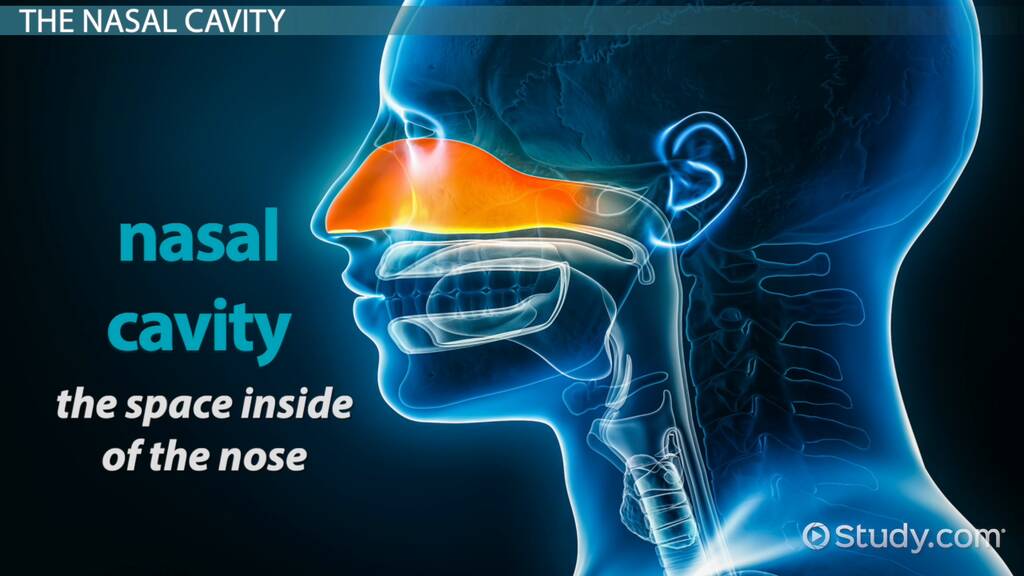
Nasal Cavity

Nasal Airway Size Chart - Nose, the prominent structure between the eyes that serves as the entrance to the respiratory tract and contains the olfactory organ. Air enters the nasal cavity from the outside through two openings: Its structure is shaped by the nasal bones and cartilage, including the nasal septum,. The openings from the nasal cavity into the pharynx are the internal nares. The shape of the nose is determined by the nasal bones and the nasal cartilages, including the nasal septum, which separates the nostrils and divides the nasal cavity into two. Inside the nose is a hollow cavity (nasal cavity), which is divided into two passages by a thin sheet of cartilage and bone called the nasal septum.
It consists of nasal skeleton, which houses the nasal cavity. It plays a vital role in our sense of smell, making it a key part of the olfactory system. Inside the nose is a hollow cavity (nasal cavity), which is divided into two passages by a thin sheet of cartilage and bone called the nasal septum. The bones of the face contain the paranasal. The openings from the nasal cavity into the pharynx are the internal nares.
Inside the nose is a hollow cavity (nasal cavity), which is divided into two passages by a thin sheet of cartilage and bone called the nasal septum. It provides air for respiration, serves the sense of smell,. Its structure is shaped by the nasal bones and cartilage, including the nasal septum,. Similar to the nasal passage, the sinuses are lined with mucous membranes.
Air Enters The Nasal Cavity From The Outside Through Two Openings:
The openings from the nasal cavity into the pharynx are the internal nares. It consists of nasal skeleton, which houses the nasal cavity. Inside the nose is a hollow cavity (nasal cavity), which is divided into two passages by a thin sheet of cartilage and bone called the nasal septum. The shape of the nose is determined by the nasal bones and the nasal cartilages, including the nasal septum, which separates the nostrils and divides the nasal cavity into two.
It Provides Air For Respiration, Serves The Sense Of Smell,.
The bones of the face contain the paranasal. It plays a vital role in our sense of smell, making it a key part of the olfactory system. It has many functions, including being a key part of your sense. The nose is an olfactory and respiratory organ.
In This Article, We Shall Look At The Applied Anatomy Of The Nasal Cavity,.
Nose, the prominent structure between the eyes that serves as the entrance to the respiratory tract and contains the olfactory organ. Its structure is shaped by the nasal bones and cartilage, including the nasal septum,. Similar to the nasal passage, the sinuses are lined with mucous membranes. The nasal cavity includes all the bones, tissues, blood vessels, and nerves that make up the inside of the nose.
The Nostrils Or External Nares.
When you’re sick, you might have nasal symptoms like congestion or a runny nose. This article details everything you need to know about nose anatomy — the nasal structures that help carry out its functions — and discusses some important disorders for your.