

Neck Acupuncture Points Chart

Neck Acupuncture Points Chart - Neck pain, sometimes called cervicalgia, is pain in or around your spine beneath your head. · what is neck pain (cervicalgia)? Even small injuries can cause stiffness and pain and limit movement. · in this blog post, we’ll explore what neck pain is, the common symptoms, and the most common causes of neck pain, along with the best treatments for each. · the neck holds up the head and is less protected than the rest of the spine, which makes it easy to injure. A comprehensive resource for medical students and clinicians. Neck, in land vertebrates, the portion of the body joining the head to the shoulders and chest. The neck is the part of the body in many vertebrates that connects the head to the torso. · the cervical spine is located in the neck region, extending from the base of the skull to the upper chest. Learn how neck muscles support movement & head stability.
· learn neck muscle anatomy with muscle groups, names, functions & labeled diagrams. How to use neck in a sentence. Learn about the anatomy of the neck, including cervical vertebrae, muscles, vessels, nerves, glands and fascia. Neck pain, sometimes called cervicalgia, is pain in or around your spine beneath your head. This region is more commonly called your neck. Your cervical spine is the first seven stacked vertebral bones of your spine. Your neck is also known as your cervical spine.
· the cervical spine is located in the neck region, extending from the base of the skull to the upper chest. Learn how neck muscles support movement & head stability. · what is neck pain (cervicalgia)? This region is more commonly called your neck. We’ll also discuss when it’s.
60 soulmate matching couple tattoo ideas Artofit

Neck Acupuncture Points Chart

79 Soulmate Matching Couple Tattoos
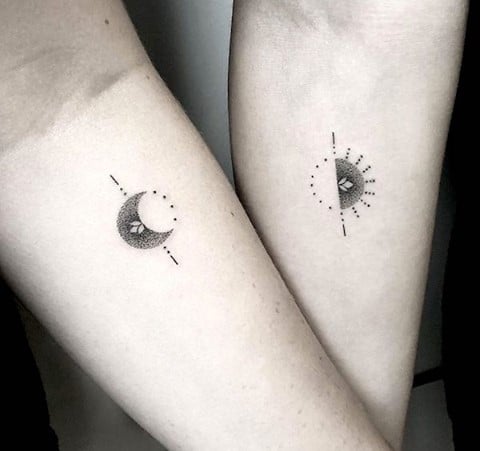
60 Heart Tattoo Design Ideas For Your Inspiration 100 Tattoos In Free

Black Couple Tattoos
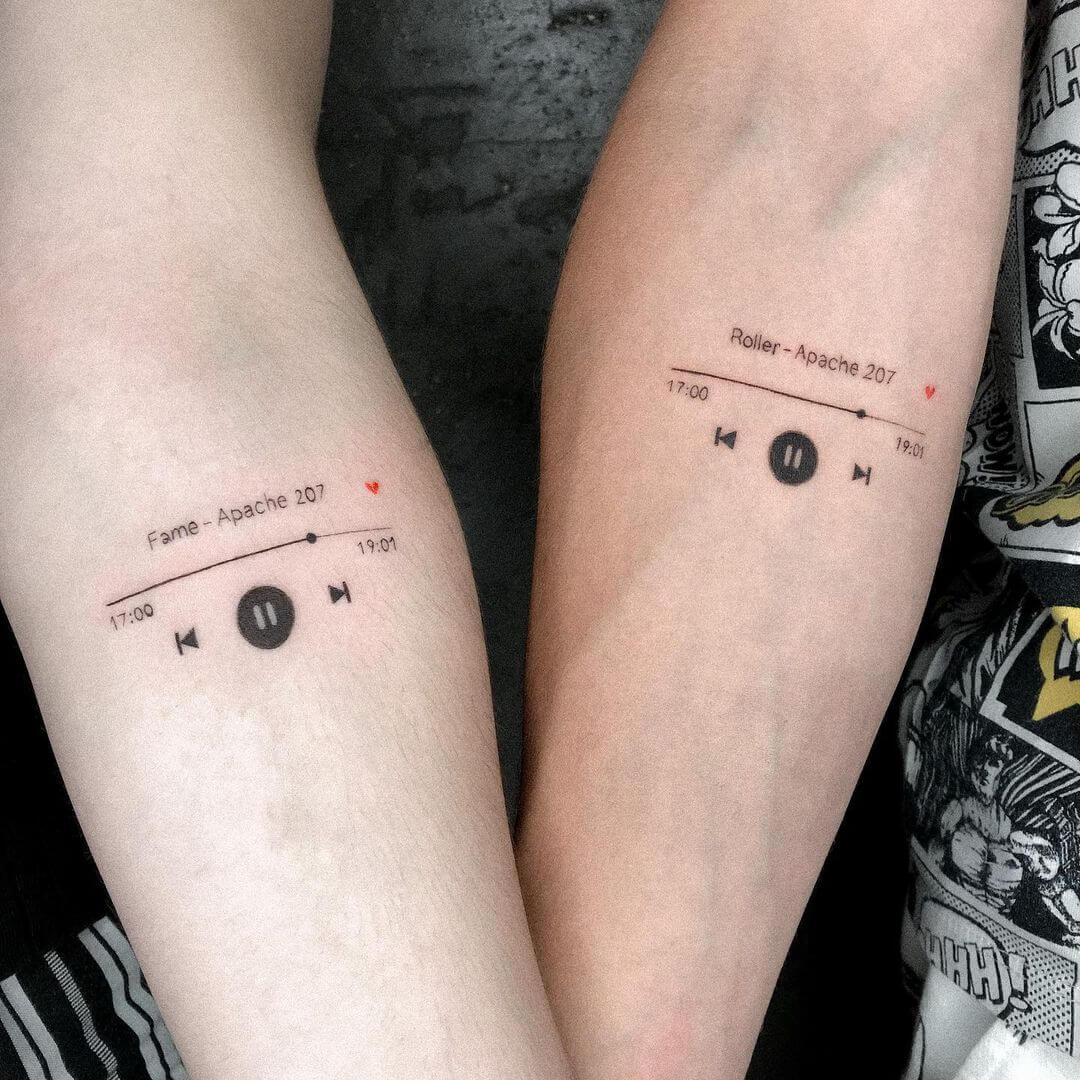
Neck Acupuncture Points Chart - · what is neck pain (cervicalgia)? · the meaning of neck is the part of an animal that connects the head with the body. Neck pain, sometimes called cervicalgia, is pain in or around your spine beneath your head. The neck is the part of the body in many vertebrates that connects the head to the torso. Even small injuries can cause stiffness and pain and limit movement. · the neck holds up the head and is less protected than the rest of the spine, which makes it easy to injure.
· learn neck muscle anatomy with muscle groups, names, functions & labeled diagrams. Learn about the anatomy of the neck, including cervical vertebrae, muscles, vessels, nerves, glands and fascia. · the meaning of neck is the part of an animal that connects the head with the body. · the cervical spine is located in the neck region, extending from the base of the skull to the upper chest. Your neck is also known as your cervical spine.
· What Is Neck Pain (Cervicalgia)?
Neck, in land vertebrates, the portion of the body joining the head to the shoulders and chest. · in this blog post, we’ll explore what neck pain is, the common symptoms, and the most common causes of neck pain, along with the best treatments for each. Neck pain, sometimes called cervicalgia, is pain in or around your spine beneath your head. It supports the weight of the head and protects the nerves that transmit sensory and motor information between the.
Learn How Neck Muscles Support Movement & Head Stability.
· learn neck muscle anatomy with muscle groups, names, functions & labeled diagrams. We’ll also discuss when it’s. · the neck holds up the head and is less protected than the rest of the spine, which makes it easy to injure. How to use neck in a sentence.
· The Cervical Spine Is Located In The Neck Region, Extending From The Base Of The Skull To The Upper Chest.
The neck is the part of the body in many vertebrates that connects the head to the torso. Your neck is also known as your cervical spine. · the meaning of neck is the part of an animal that connects the head with the body. Learn about the anatomy of the neck, including cervical vertebrae, muscles, vessels, nerves, glands and fascia.
Even Small Injuries Can Cause Stiffness And Pain And Limit Movement.
Your cervical spine is the first seven stacked vertebral bones of your spine. A comprehensive resource for medical students and clinicians. This region is more commonly called your neck.