

Nose Piercing Gauge Chart
Nose Piercing Gauge Chart - · the nose is an olfactory and respiratory organ. · learn about different types of noses and nose shape variations, how surgeons assess them, and what they mean for facial balance. It warms, conditions and filters the air you breathe. · what is the nose? · nose, the prominent structure between the eyes that serves as the entrance to the respiratory tract and contains the olfactory organ. Together, they help with breathing,. It consists of a nasal cavity inside the head, and an external nose on the face. · the nose has two main parts: · the nubian nose is a type of nose that typically features a long bridge, a wide base, and a slightly downturned tip. Maybe not as well as you thought!.
In this article, we shall look at the applied anatomy of the nasal cavity, and some of. · if you’re concerned about your nose or symptoms, it’s always best to consult with a doctor or ent specialist for personalised advice. It warms, conditions and filters the air you breathe. · the nose has two main parts: It is traditionally associated with certain populations in north africa and the. The external nose houses the nostrils, or nares, a. The external nose (nostrils, nasal tip, nasal bridge) and the internal nose (nasal cavity, septum, turbinates, and sinuses).
· the nose has two main parts: · learn about different types of noses and nose shape variations, how surgeons assess them, and what they mean for facial balance. A nose is a sensory organ and respiratory structure in vertebrates. · the nubian nose is a type of nose that typically features a long bridge, a wide base, and a slightly downturned tip. The external nose (nostrils, nasal tip, nasal bridge) and the internal nose (nasal cavity, septum, turbinates, and sinuses).
Nose Piercing Chart

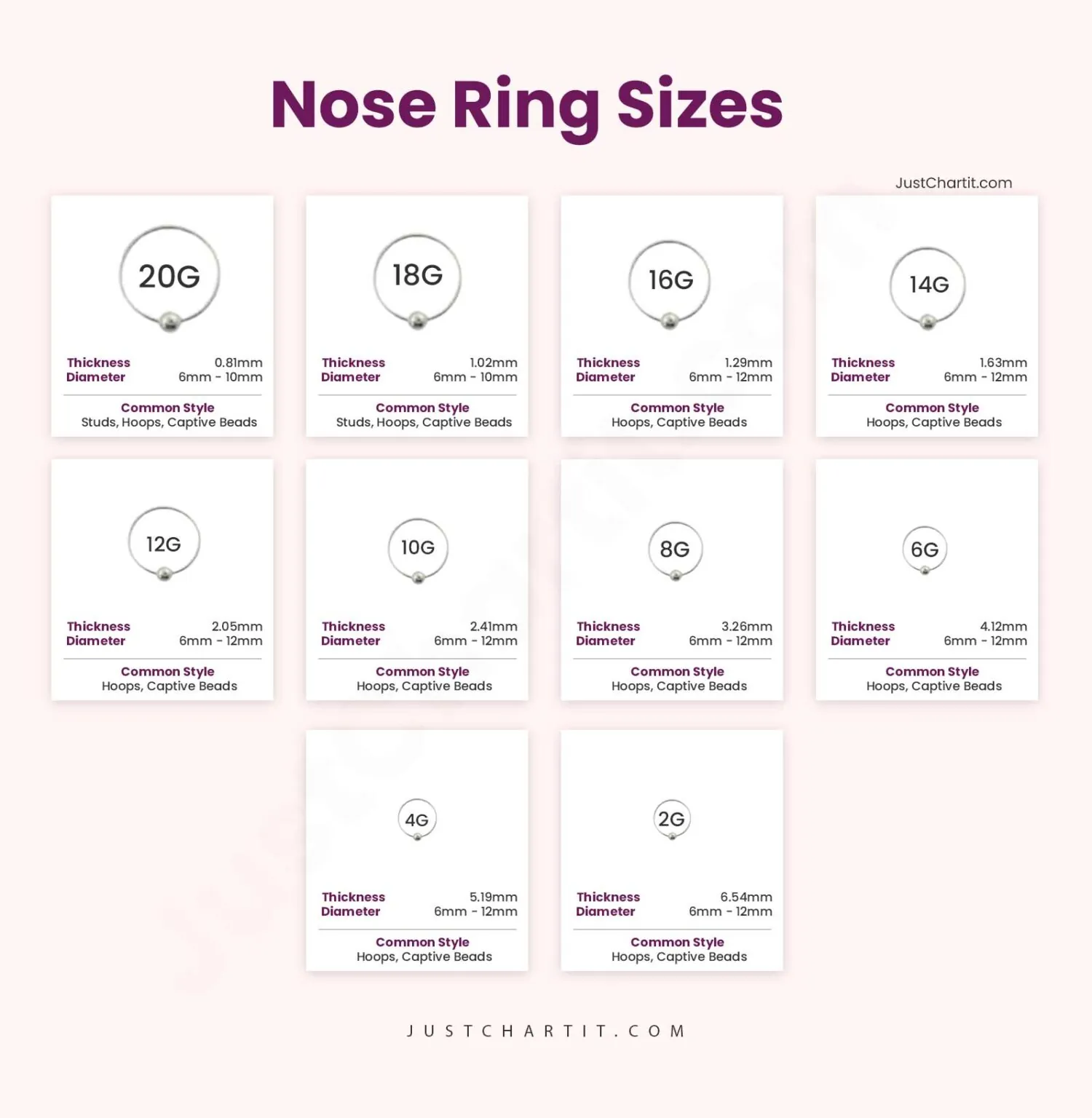
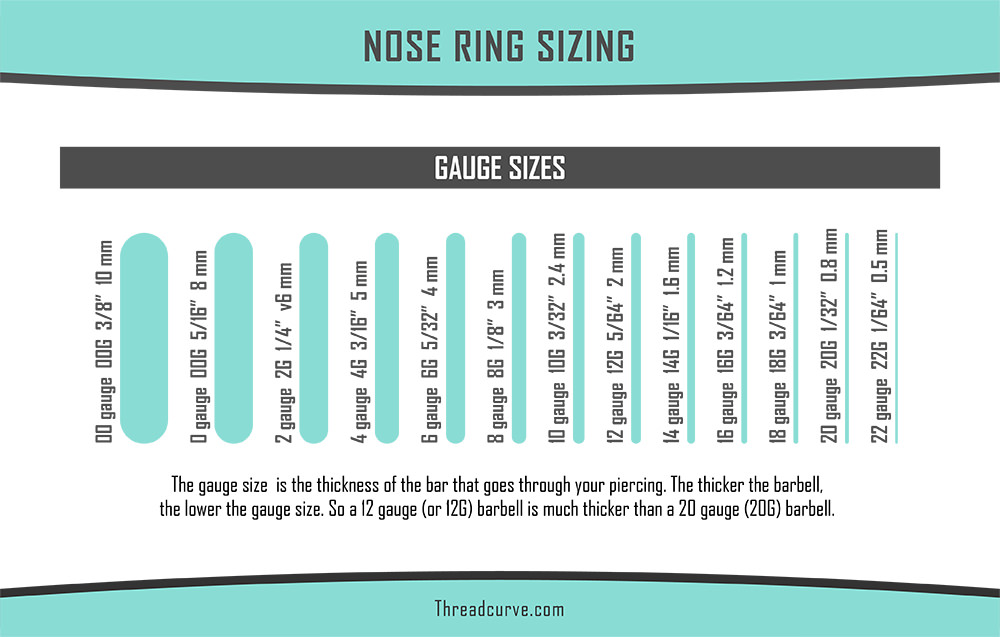
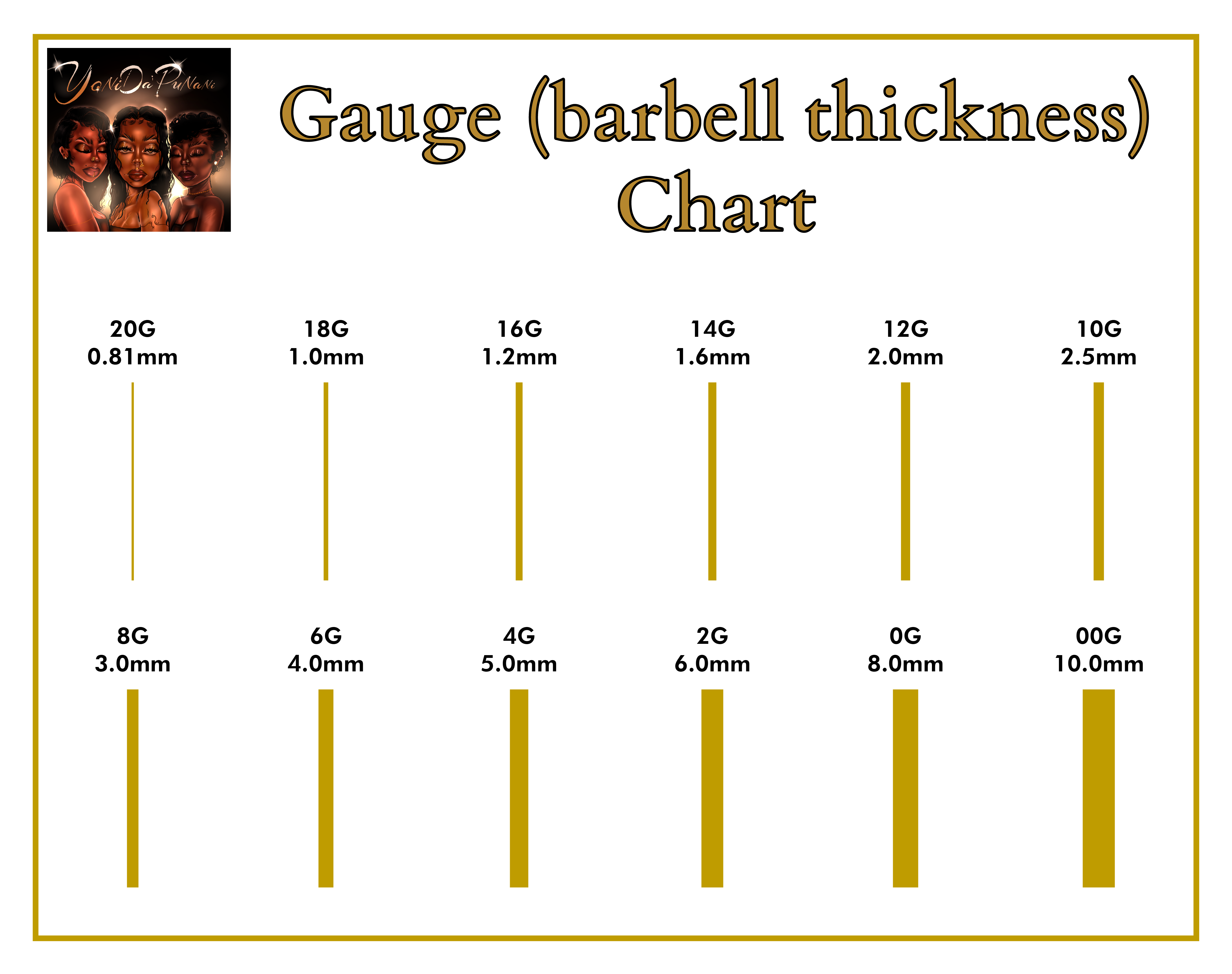
Nose Ring Gauge Sizes Seamless Nose Ring, Annealed, Bendable Choose Size

NOSE RING SIZE CHART Gauge, Thickness & Diameter in mm All For One
Nose Piercing Gauge Chart
Nose Piercing Chart Size
Nose Piercing Gauge Chart - Some deformities of the nose are named, such as the pug nose and the saddle nose. · the nose has two main parts: It consists of a nasal cavity inside the head, and an external nose on the face. The pug nose is characterised by excess tissue from the apex that is out of proportion to the rest of the nose. It warms, conditions and filters the air you breathe. Maybe not as well as you thought!.
In this article, we shall look at the applied anatomy of the nasal cavity, and some of. Together, they help with breathing,. It consists of a nasal cavity inside the head, and an external nose on the face. · the nubian nose is a type of nose that typically features a long bridge, a wide base, and a slightly downturned tip. Some deformities of the nose are named, such as the pug nose and the saddle nose.
It Consists Of A Nasal Cavity Inside The Head, And An External Nose On The Face.
· the nose is an olfactory and respiratory organ. It consists of nasal skeleton, which houses the nasal cavity. The external nose (nostrils, nasal tip, nasal bridge) and the internal nose (nasal cavity, septum, turbinates, and sinuses). · what is the nose?
Some Deformities Of The Nose Are Named, Such As The Pug Nose And The Saddle Nose.
· the nubian nose is a type of nose that typically features a long bridge, a wide base, and a slightly downturned tip. Maybe not as well as you thought!. The external nose houses the nostrils, or nares, a. Together, they help with breathing,.
· The Nose Has Two Main Parts:
· if you’re concerned about your nose or symptoms, it’s always best to consult with a doctor or ent specialist for personalised advice. It provides conditioned air for respiration, serves. Your nose, a structure that sticks out from the middle of your face, is the entrance to your respiratory system. It warms, conditions and filters the air you breathe.
The Pug Nose Is Characterised By Excess Tissue From The Apex That Is Out Of Proportion To The Rest Of The Nose.
In this article, we shall look at the applied anatomy of the nasal cavity, and some of. · learn about different types of noses and nose shape variations, how surgeons assess them, and what they mean for facial balance. · nose, the prominent structure between the eyes that serves as the entrance to the respiratory tract and contains the olfactory organ. It is traditionally associated with certain populations in north africa and the.