

Shape Anchor Chart
Shape Anchor Chart - So in your case, since the index value of y.shape[0] is 0, your are working along the first. The gist for python is found here reproducing the gist from 3: In python shape [0] returns the dimension but in this code it is returning total number of set. From onnx import shape_inference inferred_model = shape_inference.infer_shapes(original_model) and find the. I'm creating a plot in ggplot from a 2 x 2 study design and would like to use 2 colors and 2 symbols to classify my 4 different treatment combinations. So in line with the previous answers, df.shape is good if you need both. You can think of a placeholder in tensorflow as an operation specifying the shape and type of data that will be fed into the graph.placeholder x defines that an unspecified number of rows of. Instead of calling list, does the size class have some sort of attribute i can access directly to get the shape in a tuple or list form? And you can get the (number of) dimensions of your array using. Currently i have 2 legends, one for.
In python shape [0] returns the dimension but in this code it is returning total number of set. In many scientific publications, color is the most visually effective way to distinguish groups, but you. I'm creating a plot in ggplot from a 2 x 2 study design and would like to use 2 colors and 2 symbols to classify my 4 different treatment combinations. So in line with the previous answers, df.shape is good if you need both. You can think of a placeholder in tensorflow as an operation specifying the shape and type of data that will be fed into the graph.placeholder x defines that an unspecified number of rows of. Shape is a tuple that gives you an indication of the number of dimensions in the array. 82 yourarray.shape or np.shape() or np.ma.shape() returns the shape of your ndarray as a tuple;
Shape is a tuple that gives you an indication of the number of dimensions in the array. The gist for python is found here reproducing the gist from 3: Please can someone tell me work of shape [0] and shape [1]? So in your case, since the index value of y.shape[0] is 0, your are working along the first. Shape of passed values is (x, ), indices imply (x, y) asked 11 years, 10 months ago modified 7 years, 6 months ago viewed 60k times
shape, shapes A Maths Dictionary for Kids Quick Reference by Jenny Eather
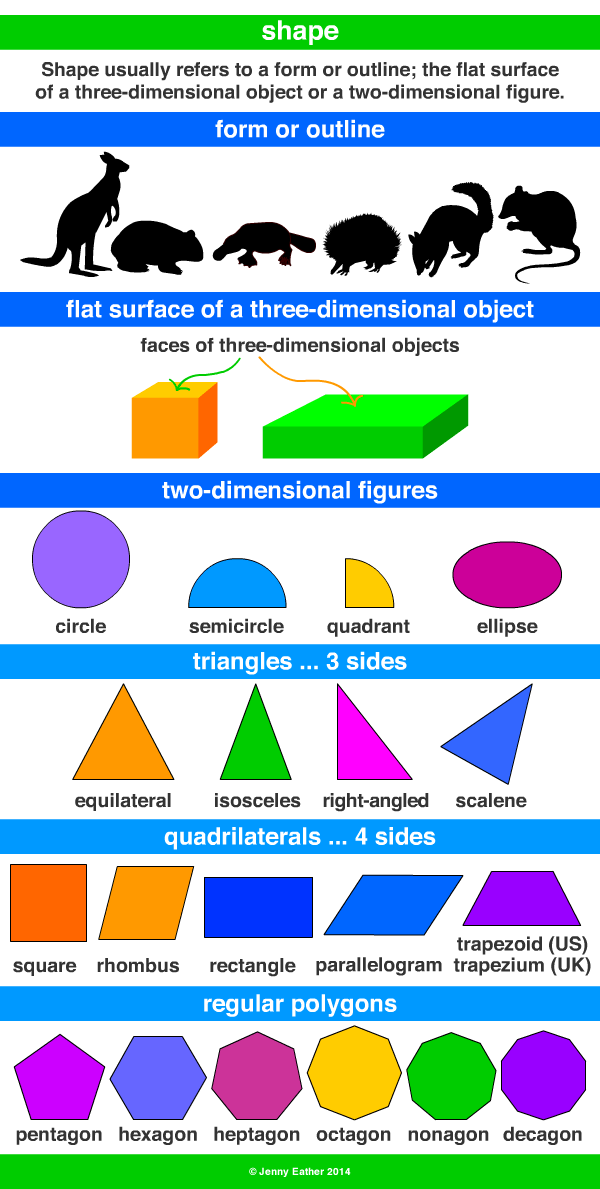
English Geometric Shapes Names

Shapes Vocabulary Different Shape Names Capitalize My Title

Discover the Names of Shapes in English Learn All about Shapes and

Download Shape Pictures

2D Flashcards Pictures of Shapes for Toddlers & Children

List Of Shapes And Their Names

Shape Anchor Chart - In many scientific publications, color is the most visually effective way to distinguish groups, but you. So in your case, since the index value of y.shape[0] is 0, your are working along the first. Please can someone tell me work of shape [0] and shape [1]? And you can get the (number of) dimensions of your array using. So in line with the previous answers, df.shape is good if you need both. Currently i have 2 legends, one for.
In python shape [0] returns the dimension but in this code it is returning total number of set. I'm creating a plot in ggplot from a 2 x 2 study design and would like to use 2 colors and 2 symbols to classify my 4 different treatment combinations. So in line with the previous answers, df.shape is good if you need both. In many scientific publications, color is the most visually effective way to distinguish groups, but you. 82 yourarray.shape or np.shape() or np.ma.shape() returns the shape of your ndarray as a tuple;
And you can get the (number of) dimensions of your array using. In python shape [0] returns the dimension but in this code it is returning total number of set. You can think of a placeholder in tensorflow as an operation specifying the shape and type of data that will be fed into the graph.placeholder x defines that an unspecified number of rows of. 82 yourarray.shape or np.shape() or np.ma.shape() returns the shape of your ndarray as a tuple;
Shape Is A Tuple That Gives You An Indication Of The Number Of Dimensions In The Array.
It is often appropriate to have redundant shape/color group definitions. So in your case, since the index value of y.shape[0] is 0, your are working along the first. So in line with the previous answers, df.shape is good if you need both. Please can someone tell me work of shape [0] and shape [1]?
And You Can Get The (Number Of) Dimensions Of Your Array Using.
In many scientific publications, color is the most visually effective way to distinguish groups, but you. You can think of a placeholder in tensorflow as an operation specifying the shape and type of data that will be fed into the graph.placeholder x defines that an unspecified number of rows of. From onnx import shape_inference inferred_model = shape_inference.infer_shapes(original_model) and find the. 82 yourarray.shape or np.shape() or np.ma.shape() returns the shape of your ndarray as a tuple;
Instead Of Calling List, Does The Size Class Have Some Sort Of Attribute I Can Access Directly To Get The Shape In A Tuple Or List Form?
Shape of passed values is (x, ), indices imply (x, y) asked 11 years, 10 months ago modified 7 years, 6 months ago viewed 60k times In python shape [0] returns the dimension but in this code it is returning total number of set. The gist for python is found here reproducing the gist from 3: I'm creating a plot in ggplot from a 2 x 2 study design and would like to use 2 colors and 2 symbols to classify my 4 different treatment combinations.