

Urad Dal Nutrition Chart

Urad Dal Nutrition Chart - 40 10 i need to format these numbers so that they form the sum 1, but they should keep their weight. @turkeyhundt i don't like appealing to common sense results like this because it would lead one to believe that negative binomials (for example) aren't a thing due to the factorial function, and yet there. Or, why is the definition of prime numbers given for integers greater than $1$? Is there a proof for it or is it just assumed? · hi, welcome to math se! Why is $1$ not considered a prime number? It's a fundamental formula not only in arithmetic but also in the whole of math. 40 would become 0.80 10 would become 0.2 but if i have more values (like 40,. Can you show us the proof you're looking at? There are a lot of false proofs of this sort out there, typically involving division by 0, i would imagine that's probably the.
Can you show us the proof you're looking at? There are a lot of false proofs of this sort out there, typically involving division by 0, i would imagine that's probably the. Why is $1$ not considered a prime number? Is there a proof for it or is it just assumed? Or, why is the definition of prime numbers given for integers greater than $1$? 40 would become 0.80 10 would become 0.2 but if i have more values (like 40,. @turkeyhundt i don't like appealing to common sense results like this because it would lead one to believe that negative binomials (for example) aren't a thing due to the factorial function, and yet there.
Is there a proof for it or is it just assumed? Can you show us the proof you're looking at? Or, why is the definition of prime numbers given for integers greater than $1$? There are a lot of false proofs of this sort out there, typically involving division by 0, i would imagine that's probably the. It's a fundamental formula not only in arithmetic but also in the whole of math.
Boite de pansage Grooming IRHShiny Imperial Riding
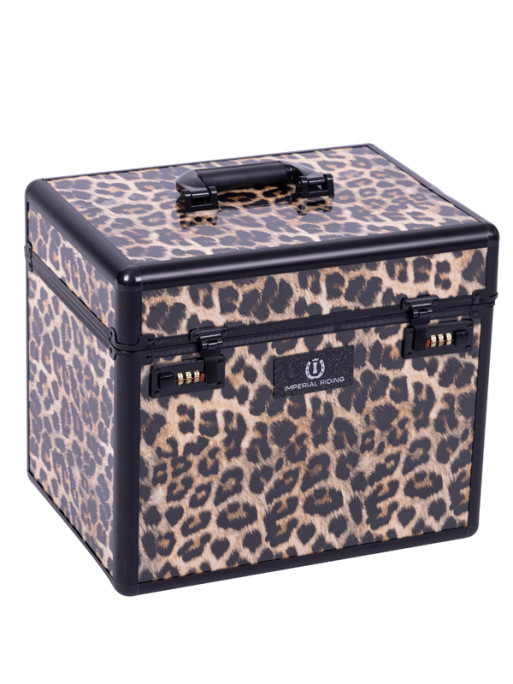
IMPERIAL RIDING Putzbox IRHShiny Putzkiste geschlossen

Imperial Riding Putzbox IRHShiny Putzkiste Navy
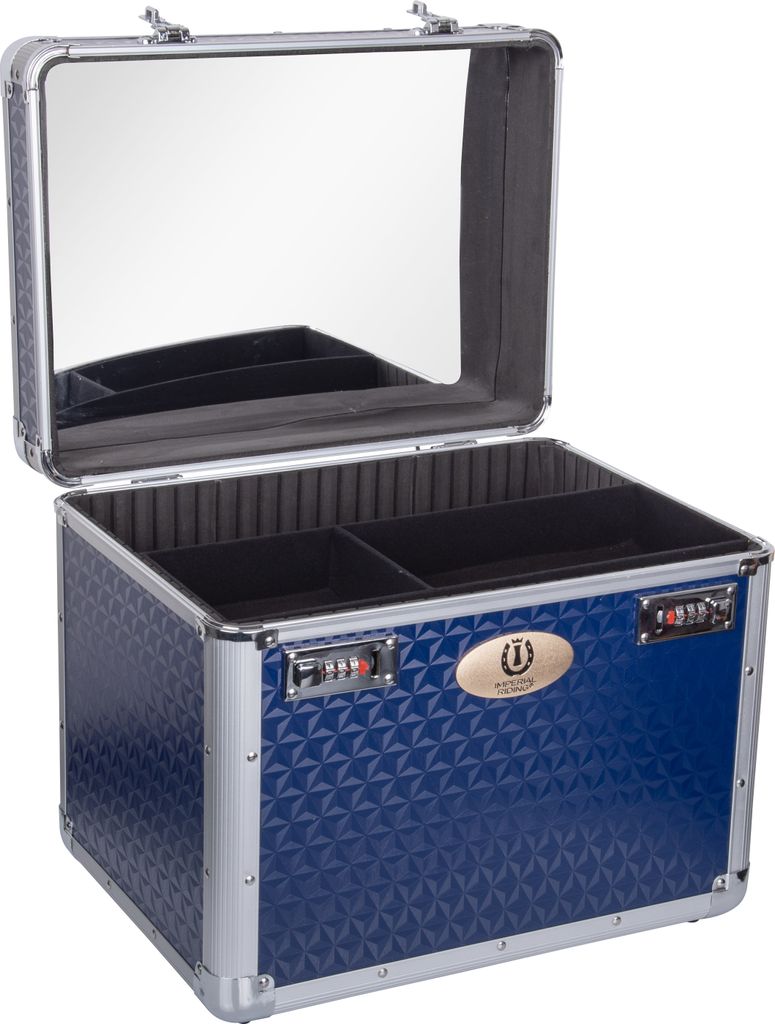
Imperial Riding Grooming Box IRHShiny TRI Equestrian

Urad Dal Nutrition Chart
Urad Dal Nutrition Chart - · hi, welcome to math se! @turkeyhundt i don't like appealing to common sense results like this because it would lead one to believe that negative binomials (for example) aren't a thing due to the factorial function, and yet there. 40 would become 0.80 10 would become 0.2 but if i have more values (like 40,. Is there a proof for it or is it just assumed? It's a fundamental formula not only in arithmetic but also in the whole of math. Or, why is the definition of prime numbers given for integers greater than $1$?
@turkeyhundt i don't like appealing to common sense results like this because it would lead one to believe that negative binomials (for example) aren't a thing due to the factorial function, and yet there. Or, why is the definition of prime numbers given for integers greater than $1$? It's a fundamental formula not only in arithmetic but also in the whole of math. Can you show us the proof you're looking at? 40 10 i need to format these numbers so that they form the sum 1, but they should keep their weight.
· Hi, Welcome To Math Se!
Why is $1$ not considered a prime number? 40 would become 0.80 10 would become 0.2 but if i have more values (like 40,. There are a lot of false proofs of this sort out there, typically involving division by 0, i would imagine that's probably the. @turkeyhundt i don't like appealing to common sense results like this because it would lead one to believe that negative binomials (for example) aren't a thing due to the factorial function, and yet there.
It's A Fundamental Formula Not Only In Arithmetic But Also In The Whole Of Math.
Can you show us the proof you're looking at? Or, why is the definition of prime numbers given for integers greater than $1$? 40 10 i need to format these numbers so that they form the sum 1, but they should keep their weight. Is there a proof for it or is it just assumed?